

About Söğüt
Söğüt, known as the first capital of the Ottoman Empire, is a small yet historically powerful town located in Bilecik Province in northwestern Türkiye. Once a quiet agricultural settlement, Söğüt has gained international attention in recent years, largely due to the global popularity of historical Turkish television series portraying the rise of the Ottoman Empire.
With a population of around 14,000, Söğüt offers a peaceful atmosphere surrounded by fertile plains, vineyards, and rolling countryside. Despite its modest size, the town holds immense historical significance as the birthplace of the Ottoman state, where the foundations of an empire that would rule across Asia, Europe, and Africa were first laid.
Söğüt is deeply connected to Ertuğrul Gazi, father of Osman Gazi, the founder of the Ottoman Empire. The town preserves this legacy through its mausoleums, museums, and annual commemorations, making it an essential destination for travelers interested in Ottoman history, cultural heritage, and traditional Anatolian life.

Ertuğrul Gazi Mausoleum
The revered tomb of Ertuğrul Gazi, a central figure in Ottoman history and a symbol of the empire’s origins.
Cradle of the Ottoman Empire
Söğüt is officially recognized as the first nucleus and capital of the Ottoman state.
Ertuğrul Gazi Museum
A historic Ottoman-era building showcasing artifacts, weapons, textiles, and cultural heritage.
Traditional Villages & Rural Life
Surrounding villages preserve Anatolian traditions, attire, and agricultural lifestyles.
Historical Cemeteries & Tombs
Final resting places of key Ottoman figures, scholars, warriors, and tribal leaders.
Places to be
Destination List
Discover the most important historical landmarks and cultural sites that define Söğüt’s unique place in Turkish history. From sacred mausoleums and museums to traditional villages and commemorative sites, each destination reflects the origins of an empire and the enduring legacy of the Ottoman era.
Ertuğrul Gazi Mausoleum
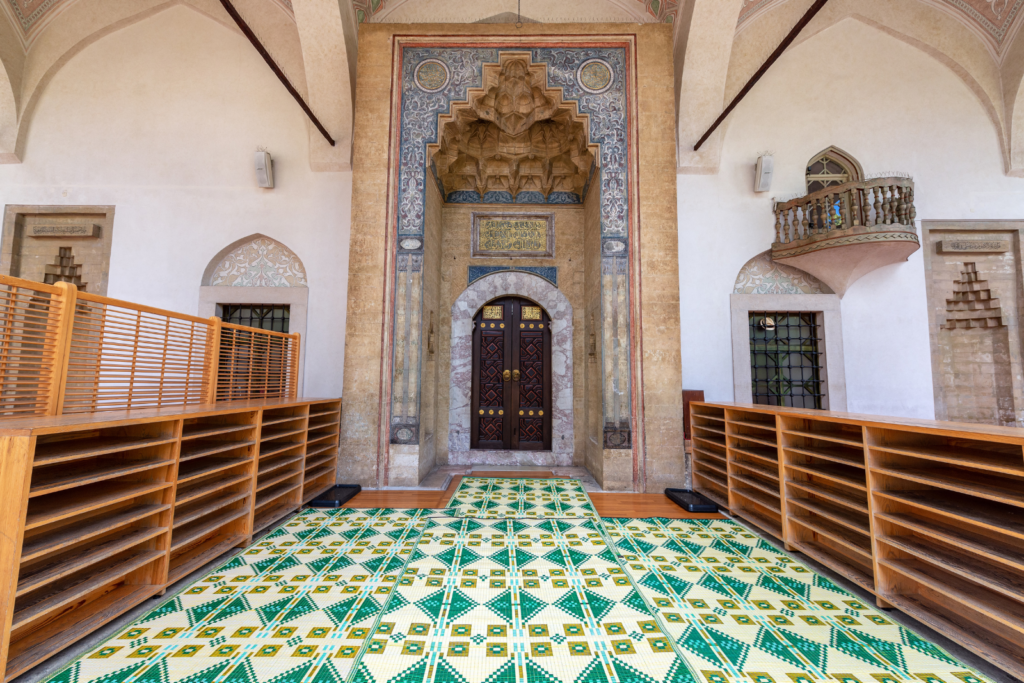
The Mausoleum of Ertuğrul Gazi is Söğüt’s most significant landmark. Originally built as a tomb in the 13th century by his son Osman Gazi, it was later expanded into a mausoleum during the reign of Sultan Mehmed I. The structure features a hexagonal dome, stone-and-brick walls, and a serene atmosphere that reflects its spiritual and historical importance.
Ertuğrul Gazi Museum
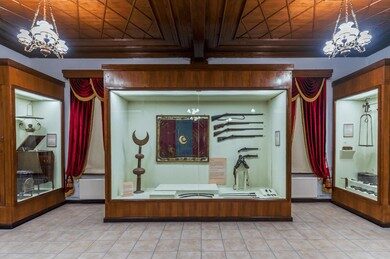
Dating back to 1900, the Ertuğrul Gazi Museum is housed in a beautifully preserved Ottoman-era building. The museum displays historical weapons, textiles, tools, and coins from Roman, Byzantine, and Ottoman periods. It also includes cultural artifacts belonging to the Yörük tribes who once inhabited the region, offering insight into nomadic Anatolian life.
Tombs of Ottoman Figures
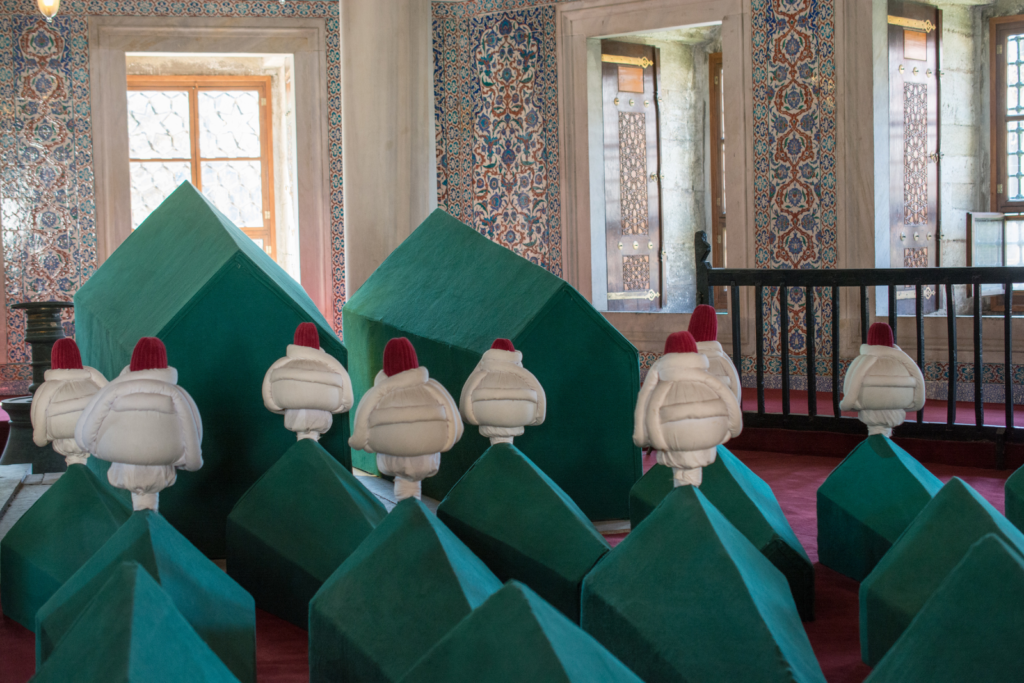
Söğüt is home to the graves of many prominent Ottoman personalities, including Osman Gazi, Halime Hatun, Dursun Fakih, Gündüz Alp, Savcı Bey, Dündar Bey, and other warriors and scholars of the Kayı tribe. These sites collectively highlight Söğüt’s role as a spiritual and political center during the empire’s formative years.
Traditional Villages of Söğüt
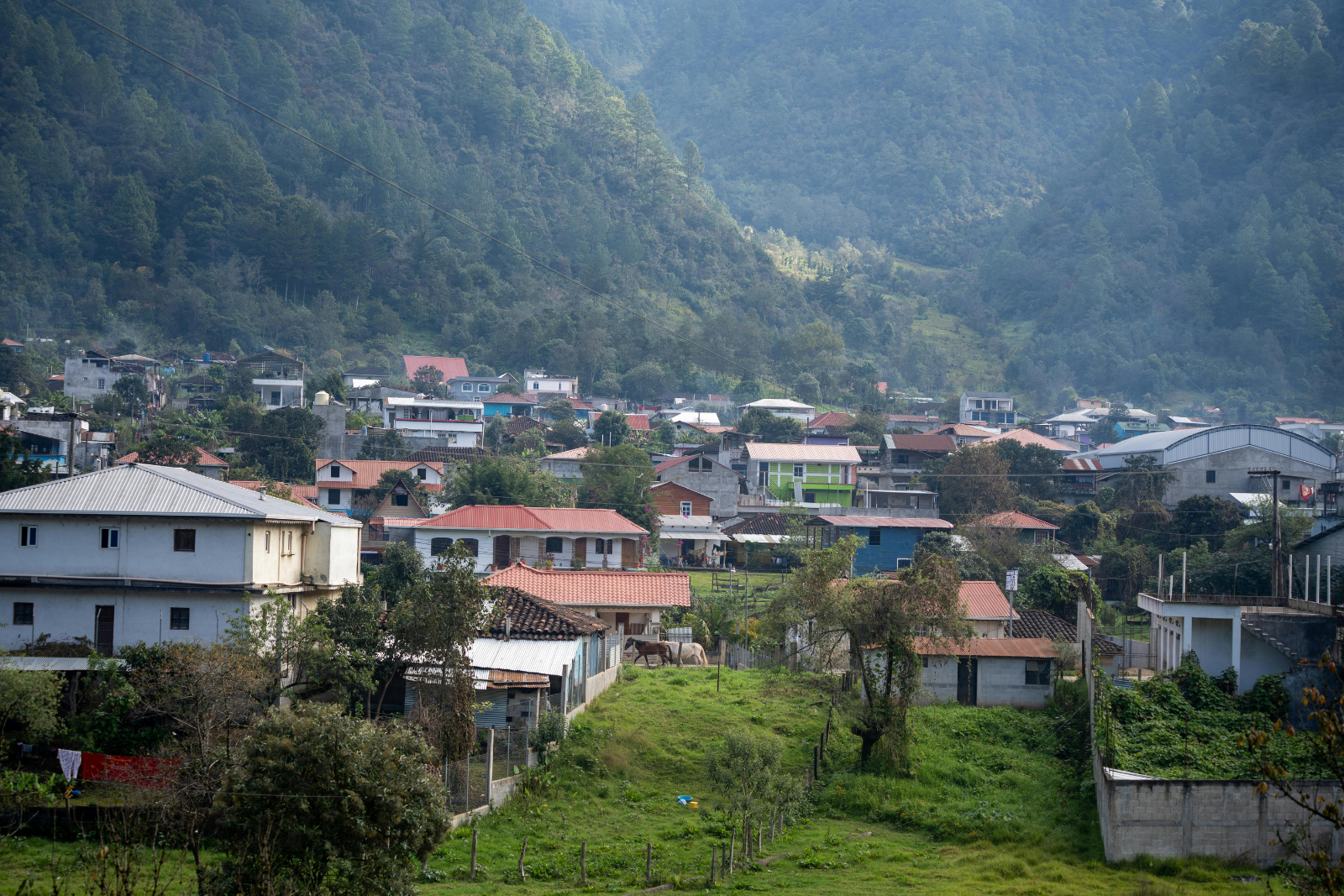
The town is surrounded by approximately 23 villages divided into key areas such as Balaban, Cumhuriyet, Kayhan, and Orta. Many locals continue traditional agricultural practices, including fruit cultivation, livestock breeding, beekeeping, and dairy farming. Visitors may encounter traditional clothing and customs that echo the region’s Ottoman-era roots.
Ertuğrul Series Cultural Influence
The global success of the Diriliş: Ertuğrul series brought renewed attention to Söğüt’s history. While the series was filmed near Istanbul, it faithfully represents Söğüt’s historical setting and has inspired thousands of visitors to explore the real birthplace of the Ottoman Empire.
FAQ about Söğüt
Söğüt is famous for being the birthplace of the Ottoman Empire and the burial site of Ertuğrul Gazi, father of Osman Gazi.
Yes, Söğüt is ideal for history lovers, cultural travelers, and those interested in Ottoman heritage and rural Anatolian life.
One full day is sufficient to explore Söğüt’s main historical sites and museums, though an overnight stay allows for a more relaxed visit.
Spring and autumn are the best times, offering mild weather and scenic countryside views.
Söğüt is perfect for history enthusiasts, cultural explorers, and travelers interested in Ottoman and Islamic heritage.