

- Home
- Pamukkale
Start Your Adventure
Pamukkale
About Pamukkale
Pamukkale (Cotton Castle), which is a fascinating and magnificent natural site, is located in Denizli province in southwestern Turkey. A gift from nature, the area is famous for its glaring whiteness and therapeutic ponds.
Pamukkale, 18 km (11 miles) north of Denizli ( isTurkey’s foremost mineral-bath spa because of its natural beauty: hot calcium-laden waters spring from the earth and cascade over a cliff. As they cool they form dramatic travertines of hard, brilliantly white calcium that form pools.
Named the Cotton Fortress (pah-MOOK-kah-leh) in Turkish, it has been a spa since the Romans built the spa city of Hierapolis around a sacred warm-water spring. The Antique Pool is still there, littered with marble columns from the Roman Temple of Apollo.
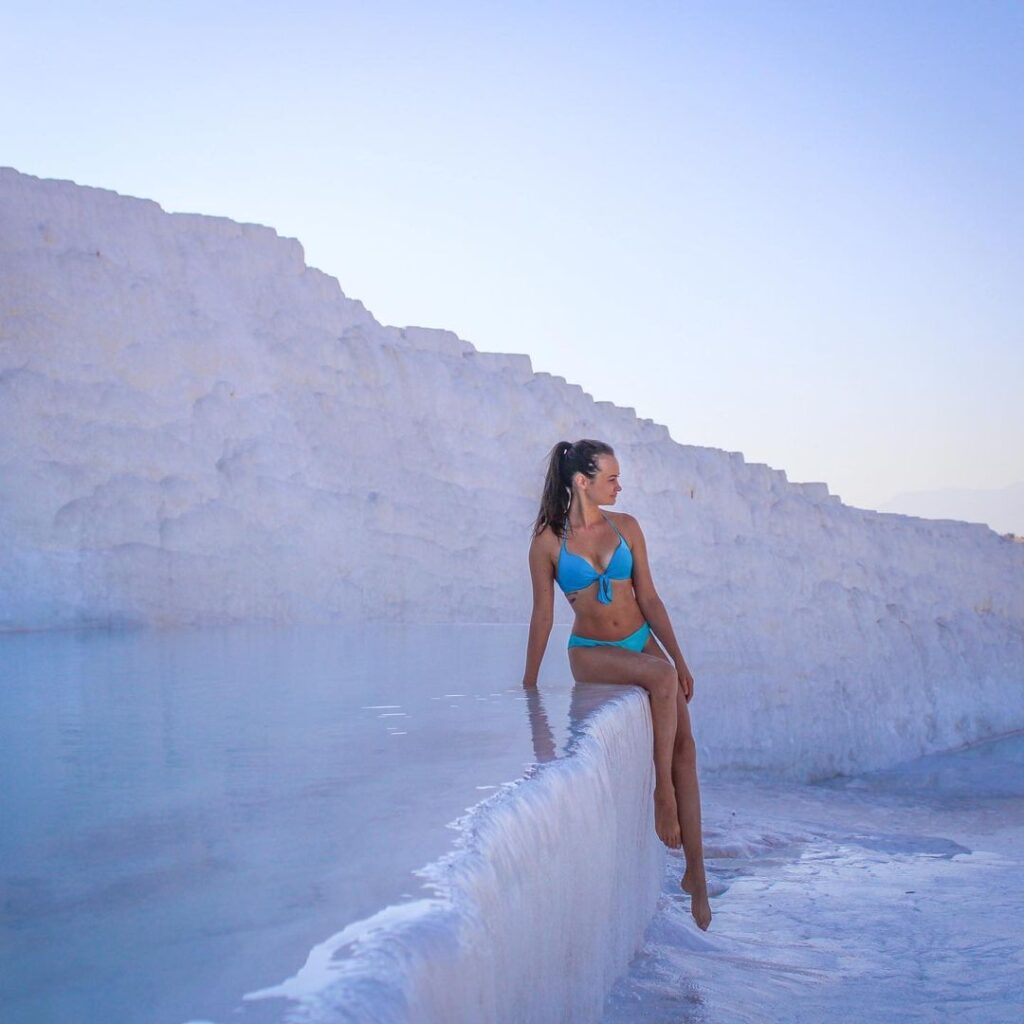
Pamukkale Travertines
The iconic white terraces formed by calcium-rich thermal waters create a surreal landscape and natural pools perfect for walking and relaxing.
Hierapolis Ancient City
Explore the ruins of a once-great Roman spa city, featuring temples, baths, gates, and well-preserved streets overlooking the travertines.
Cleopatra’s Antique Pool
Swim among ancient marble columns in this legendary thermal pool, believed to have been used by Queen Cleopatra herself.
Pamukkale Thermal Springs
Natural hot springs known for their therapeutic benefits, historically used for healing and relaxation.
Pamukkale Sunset Views
As the sun sets, the white terraces glow with golden and pink hues, offering one of the most photogenic moments in Turkey.
Places to be
Destination List
Discover the most remarkable attractions and must-visit locations that define the character of this destination. From iconic landmarks and natural wonders to historical sites and cultural highlights, each place offers a unique experience and insight into the region’s rich heritage.
Pamukkale Travertines
The dazzling white travertine terraces are Pamukkale’s most iconic attraction and a true natural masterpiece. Formed over thousands of years by calcium-rich thermal waters flowing down the mountainside, these terraces create shallow, warm pools that visitors can walk through barefoot. The contrast of the bright white formations against the blue sky is unforgettable, making it one of the most photographed sites in Turkey.


Hierapolis Theatre
Perched high above the ancient city, the Hierapolis Theatre is one of the best-preserved Roman theatres in Türkiye. Built in the 2nd century AD, it once hosted thousands of spectators who gathered to watch performances and public events. The theatre’s intricate stone carvings, grand stage, and steep seating provide insight into Roman architectural brilliance.
Cleopatra’s Antique Pool
Cleopatra’s Antique Pool offers a rare opportunity to swim in warm thermal waters surrounded by ancient Roman columns and ruins. According to legend, the pool was a favorite of Queen Cleopatra, adding a sense of romance and mystery to the experience. The naturally heated water remains warm year-round and is rich in minerals believed to promote relaxation and rejuvenatio


Hierapolis Necropolis
The Hierapolis Necropolis is one of the largest ancient cemeteries in Anatolia, stretching over a vast area near the ancient city. It features hundreds of tombs, sarcophagi, and monumental burial structures dating back to the Roman and Byzantine periods. Walking through the necropolis offers a fascinating glimpse into ancient burial traditions and beliefs about the afterlife.
Denizli City
Just a short drive from Pamukkale, Denizli provides a modern contrast to the ancient and natural wonders of the region. The city is known for its lively bazaars, traditional Turkish cuisine, and local textile industry. Visitors can explore local markets, enjoy authentic food, or relax in cafés after a day of sightseeing.

Places to be
Where is Pamukkale
Pamukkale is famous for its white travertine terraces formed by thermal mineral waters and the ancient city of Hierapolis.
One full day is usually enough to explore the travertines and Hierapolis, but an overnight stay allows for a more relaxed experience.
Yes, visitors can walk in selected thermal pools and swim in Cleopatra’s Antique Pool for an additional fee.
The best time to visit is spring (April–June) and autumn (September–October) when the weather is mild and comfortable.