

About Mardin
Mardin is a city that combines its rich, mystical and historical heritage with modernity. The city, situated in the south-east of Turkey has bazaars, historic inns, museums, stone houses, silver jewellery and artefacts. As one of the most distinctive cities in Turkey, Mardin has preserved well the cultural influences of various dynasties throughout the history of the country. The city’s historical buildings such as mosques, shrines, churches, monasteries and travellers’ inns reflect different religious beliefs and have high artistic value. The city hosts buildings which have been listed as world heritage sites. During your stay, remember to taste the delicious local cuisine and to buy some of the beautiful jewellery in the bazaars. Also during your trip, you can listen to some of the traditional songs about Mardin to enrich your experience. Mardin is on the Syrian borders and is situated in the southeastern Anatolia region of Turkey. It is one of the country’s most populated cities. Apart from a few districts, in general, this province experiences a continental climate, with freezing winters and blazing summers. The city’s revenue relies on agriculture, farming, livestock and commerce.
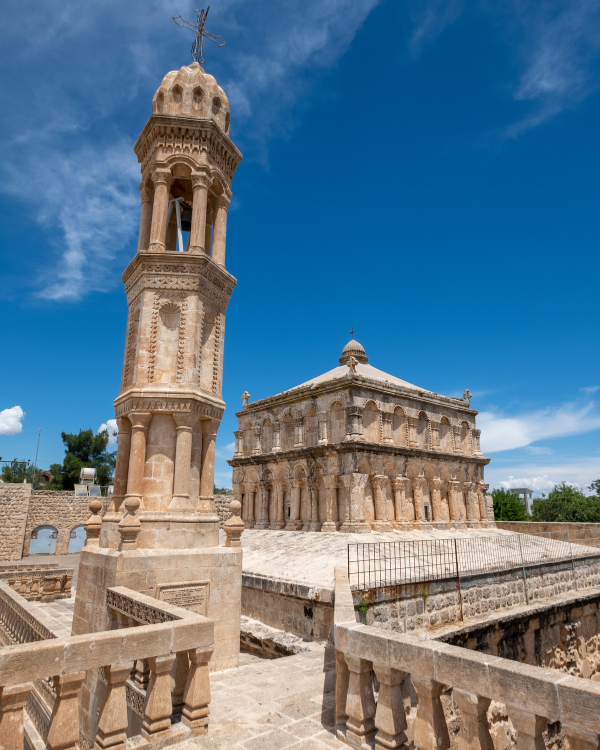
Mardin Old Town
A maze of stone houses, narrow alleys, and historic buildings reflecting centuries of architectural harmony.
Zinciriye Madrasa
A striking 14th-century Islamic school offering panoramic views over the city and Mesopotamian plains.
Deyrulzafaran Monastery
An ancient Syriac Orthodox monastery and one of the most important religious sites in the region.
Great Mosque of Mardin
A historic mosque known for its elegant minaret and intricate stone craftsmanship.
Mesopotamian Plains Views
Breathtaking viewpoints overlooking vast landscapes that connect Mardin to its ancient roots.
Places to be
Destination List
Explore the most remarkable attractions and must-visit locations that define the unique character of Mardin. From ancient stone architecture and historic religious landmarks to panoramic viewpoints and cultural neighborhoods, each place reflects the city’s rich heritage and timeless beauty. Whether you’re walking through centuries-old streets, discovering historic monasteries and mosques, or enjoying sweeping views over the Mesopotamian plains, these destinations highlight the authentic and cultural experiences that make Mardin truly unforgettable.
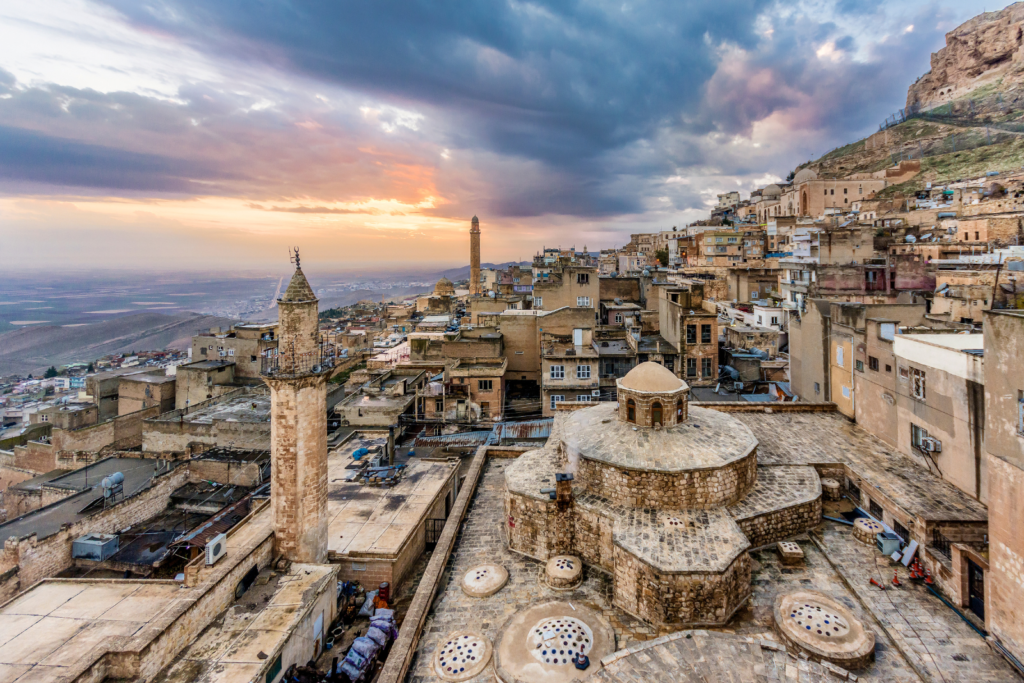
Mardin Old Town
The historic old town of Mardin is the heart of the city, featuring terraced stone houses, narrow alleyways, and historic buildings carved from golden limestone. Walking through the old town feels like stepping back in time, with each street revealing architectural details, traditional courtyards, and scenic viewpoints overlooking the plains. The area is rich with cultural life, local crafts, and traditional cuisine.
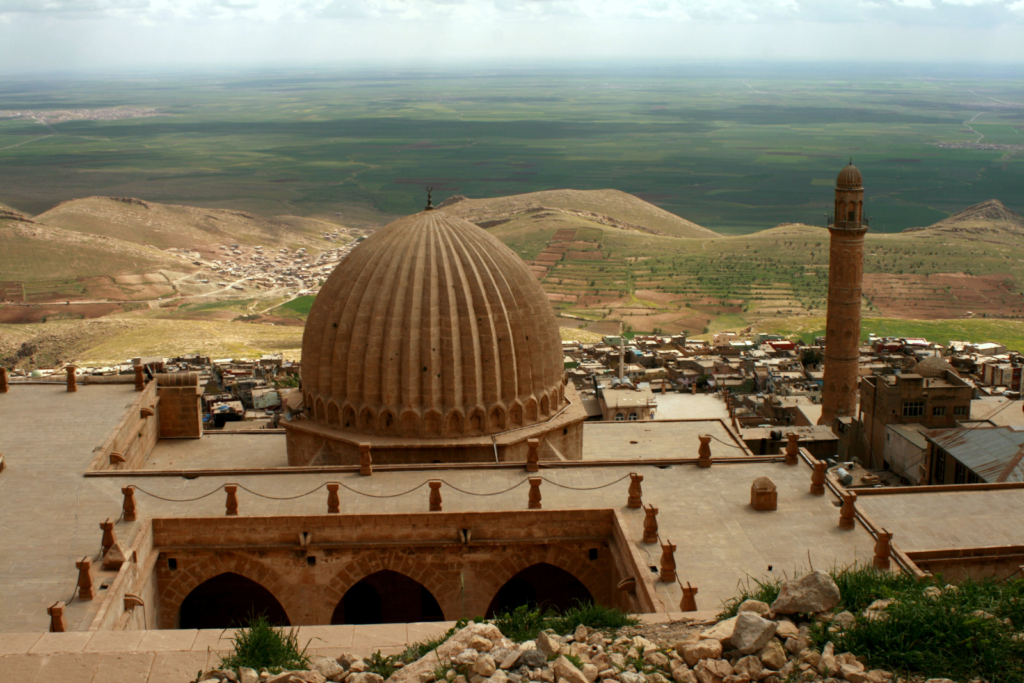
Zinciriye Madrasa
Built in the 14th century, Zinciriye Madrasa is one of Mardin’s most impressive Islamic landmarks. The structure features beautiful stone carvings, domed halls, and a peaceful courtyard. From its upper terrace, visitors can enjoy breathtaking panoramic views across the Mesopotamian plains, especially during sunset, making it a popular spot for photography.
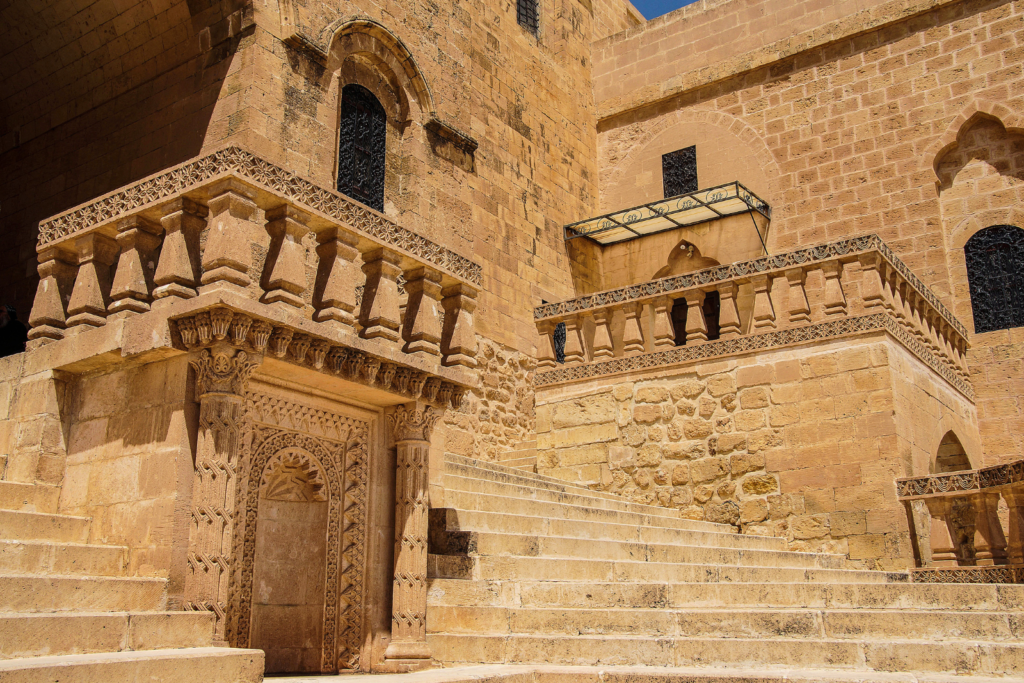
Deyrulzafaran Monastery
Located just outside the city, Deyrulzafaran Monastery is one of the oldest and most important Syriac Orthodox monasteries in the world. The monastery has served as a religious and cultural center for centuries and showcases ancient chapels, courtyards, and underground chambers. Its spiritual atmosphere and historical significance make it a must-visit destination.

Great Mosque of Mardin
The Great Mosque of Mardin is a significant religious and architectural landmark, known for its elegant minaret and detailed stonework. Dating back to the 12th century, the mosque reflects the city’s Islamic heritage and stands as a symbol of Mardin’s long-standing religious coexistence.
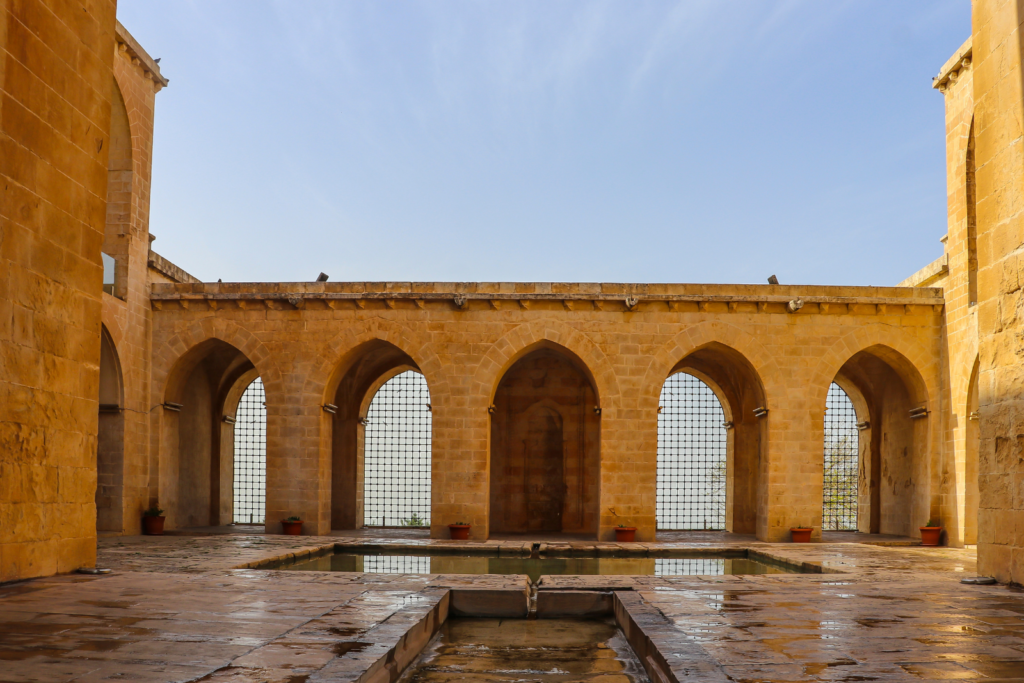
Kasımiye Madrasa
Kasımiye Madrasa is a beautifully preserved Islamic school located near the city entrance. Known for its symbolic architectural design and peaceful courtyard, the madrasa represents the philosophical journey of life through its water channels and layout. The site offers both historical insight and serene surroundings for visitors.
Places to be
Where is Mardin
Mardin is famous for its historic stone architecture, religious diversity, ancient monasteries, and panoramic views over the Mesopotamian plains.
n for its long Mediterranean coastline, historic landmarks, beautiful beaches, and vibrant local food culture, especially its famous street food.
Yes, Mardin is considered safe for visitors and is known for its welcoming atmosphere and rich cultural heritage.
A stay of 2–3 days is ideal to explore the old town, historic sites, and nearby monasteries at a relaxed pace.
The best time to visit Mardin is during spring (April–May) and autumn (September–October) when the weather is mild and pleasant.
Mardin is perfect for cultural travelers, history lovers, photographers, and those seeking an authentic and traditional experience.